Why Are the Houses on the Greek Islands White and Blue?

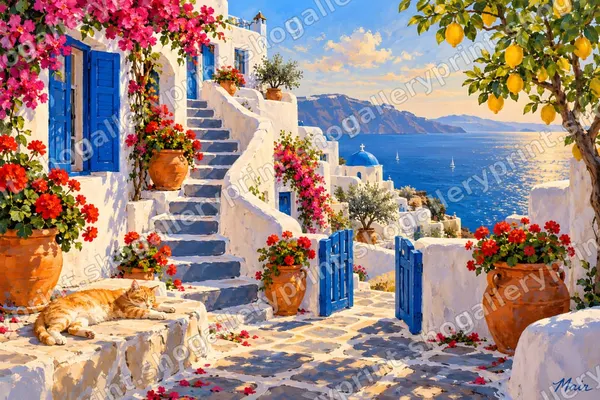
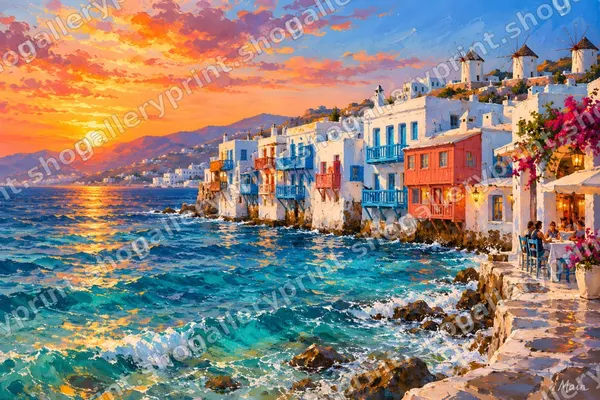
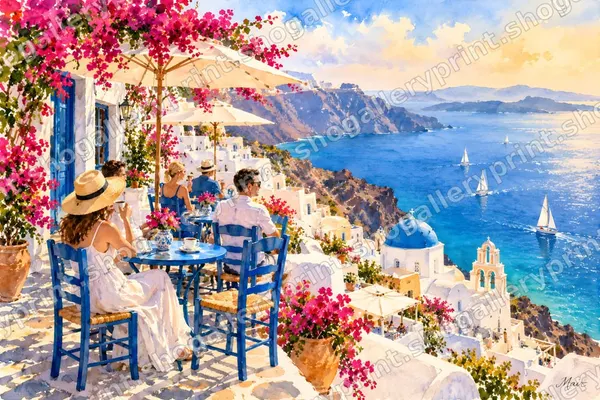
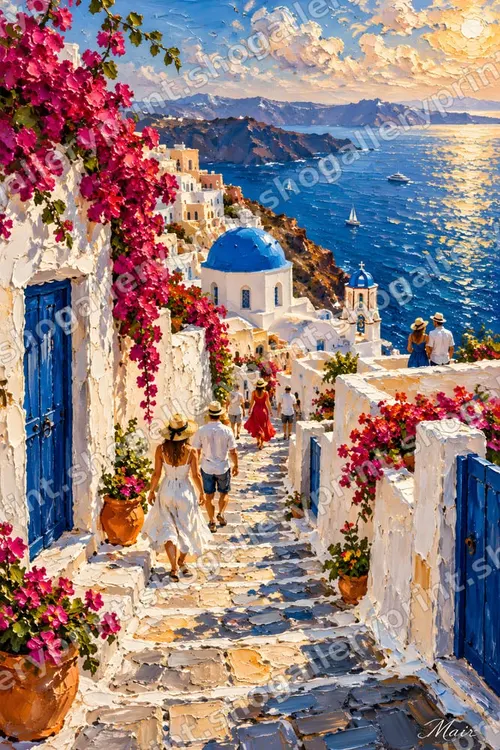
Whitewashed cubes stacked above a deep blue sea, blue doors and shutters, blue church domes against the sky: the Cyclades islands of Greece have one of the most recognisable looks in the world. It feels like pure design, but the white and the blue have very practical roots.
White: lime against the sun
The white comes from lime whitewash – asvesti in Greek – made from burnt limestone mixed with water. It was cheap and available on every island, and it does two useful things. First, a white surface reflects the strong Aegean sun, which keeps thick stone walls and the rooms behind them cooler in summer. Second, lime is naturally alkaline and slightly antiseptic, so a fresh coat also kept walls, courtyards and even the lines between paving stones clean.
Islanders traditionally refresh the whitewash every year, especially in the weeks before Easter, so whole villages look newly painted for the holiday.
An old hygiene rule
A story often told in Greece connects the white villages to public health: during a cholera outbreak in the late 1930s, the government is said to have ordered houses to be whitewashed with lime to disinfect them. Whether or not that order is the full reason, it fits a much older island habit, and by the twentieth century the white villages had become a symbol of the Cyclades. Today local building rules on several islands protect the traditional look.
Blue: cheap pigment and the colour of the sea
The blue on doors, window frames and shutters also has a humble origin. Islanders mixed a cheap blue powder, traditionally called loulaki and used for washing laundry, into lime or paint. The result was a bright, lasting blue that matched the sea and sky. Blue has also long been linked with protection against the evil eye, and since Greek independence blue and white have been the colours of the national flag – so the combination carries pride as well as practicality.
The famous blue domes are mostly on churches, while many family chapels and houses use red, green or ochre trim too – look closely in our paintings and you will find them.
Greek wall art and coastal decor: bringing the islands home
Greek island colours are among the easiest to live with: white, cobalt and Aegean blue, with touches of bougainvillea pink and terracotta. A Santorini painting or a Greek island lane is a natural choice for coastal wall art and Mediterranean decor, and one of the easiest kinds of bathroom wall art. They suit white or sand-coloured walls, light wood, linen and rattan, and look especially fresh in bathrooms, bedrooms and coastal-style living rooms. A pair of island lanes, or one harbour and one blue dome, makes a calm, sunny gallery wall.
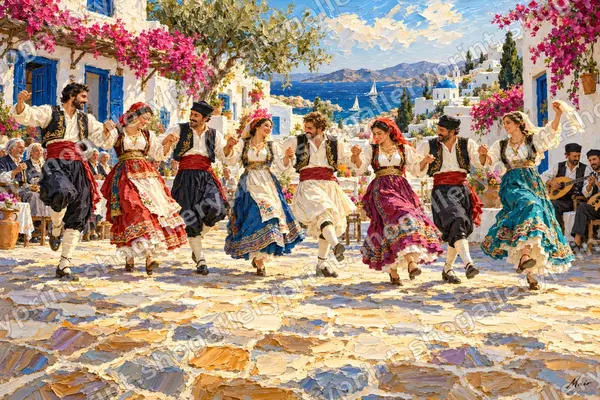
Our Greek wall art and Greece paintings are created in an oil-painting or watercolor style with the help of AI tools and refined by us. Twenty-six of them are free as 8×10 printables if you want to try one on your wall first.